

Aviation Insurance
Aviation Insurance
Limits are determined not only by the contract but also by the authority.
Liability regime and minimum coverage limits in aviation are framed by international agreements and the requirements of the civil aviation authority. The policy works as a de facto supplement to the business license.
Most of the capacity comes from the international aviation market. We come to market with a file that accurately describes your operation profile, fleet structure and flight regions, and we negotiate the conditions on your behalf.
- Hull and third party liability
- Access to the international aviation market
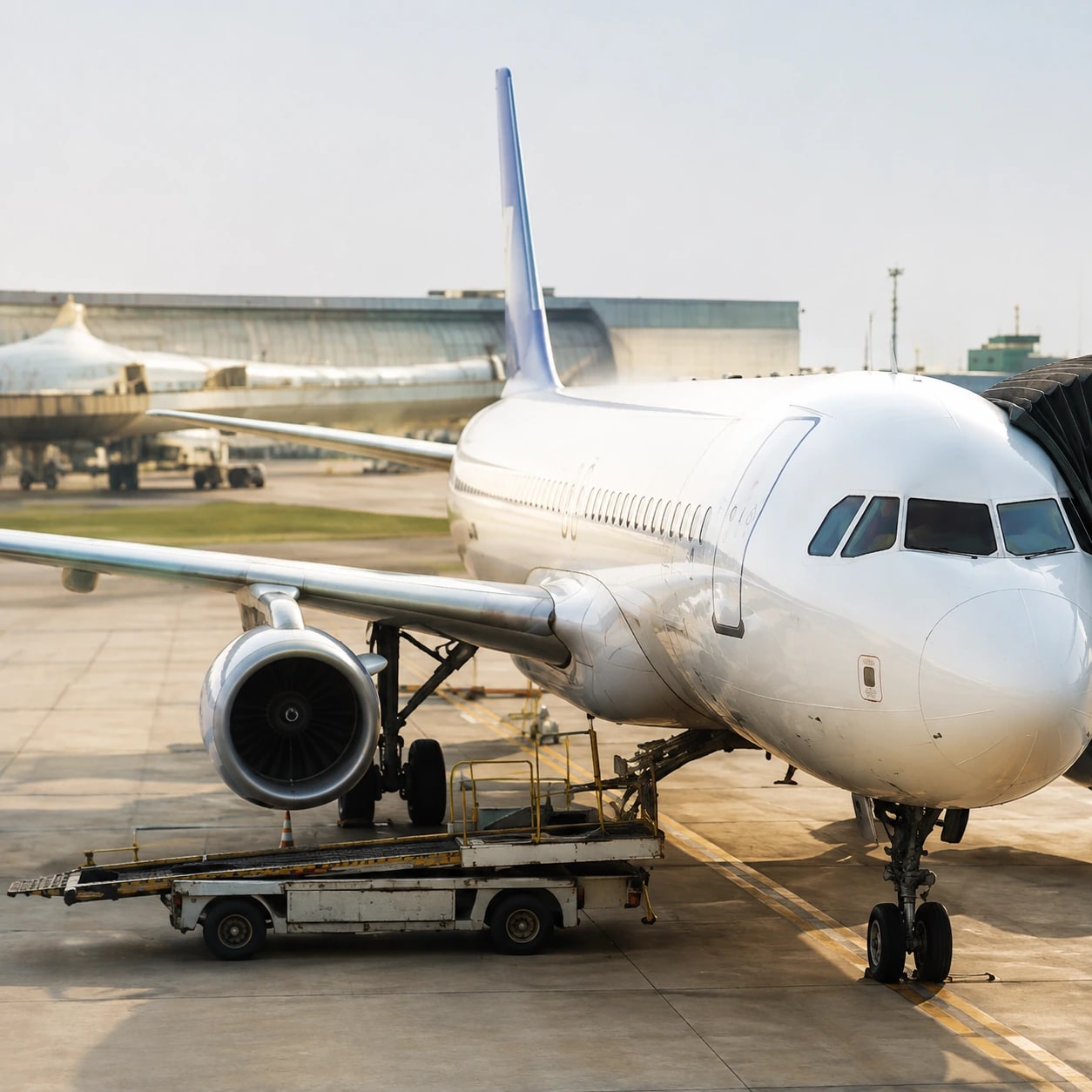
Continuity of coverage in aviation depends on the timely recording of every change in the operation into the policy.
Scope
Coverage Scope
Aircraft fuselage (hull)
Physical damage to the aircraft during flight, taxi and ground rest.
Passenger and third party liability
Coverage for legal liability arising from passengers, baggage, cargo and third parties.
War and similar risks
Extension of body and liability coverage covering war, terrorism and kidnapping risks.
Ground handling and hangar responsibility
Damages and responsibilities arising from maintenance, supply and ground handling activities.
Spare parts and engine
Separate coverage for the engine and spare parts in storage, transportation and maintenance.
Crew personal accident
Accidental death and disability coverage for flight and cabin crew.
Key Risks
What We Watch in This Area
Operation Change
If the change in fleet, route or activity type is not recorded in the policy, the coverage becomes controversial.
Flight Zone
Flights outside the geographical scope may result in suspension of coverage.
Ground Damages
The majority of the damages occur not in the air, but in apron and hangar operations.
How is it determined?
Data Determining Aviation Coverage
- Nature of activity: scheduled, non-scheduled, general aviation or training
- Aircraft type, age, seat capacity and insurance value
- Flight regions and geographical coverage of the policy
- Total flight hours of the crew and on type
- Maintenance organization and authorization documents
- Minimum limits stipulated by the authority and contracts
FAQ
Frequently Asked Questions
Yes. In commercial UAV operations, third party liability coverage is required by legislation; Body coverage is optionally added.
Aircraft type, seat capacity, flight region and authority minimum limits are evaluated together. In contracted work, the limit requested by the employer is also decisive.
It is usually written separately. It covers any damage caused to the aircraft or third parties during apron operation, push-pull, supply and maintenance; Most of the damage occurs at this stage.
These risks are excluded in the main policy; It is taken back with a separate war risk guarantee. Both coverage and price vary significantly depending on flight regions.
Do You Have a Need in This Area?
Let's assess your risk together and build the coverage structure around your needs.